
A Garment Manufacturing Facility in the Heart of Southeast Ohio
We are reimagining apparel manufacturing through skill-centered value, radical transparency, and a renewed model for how garments are made.
We make more by using less
Hocking Hills Garment Center is a garment factory and industrial sewing school in Buchtel, Ohio, a former coal mining village in the Appalachian foothills about fifteen minutes from Athens. We cut and sew knit and woven apparel for American brands, teams, festivals, and designers, and we train the skilled sewists who make it.
We see a future where garment manufacturing in the United States is rooted in skilled labor, quality production, and the dignity of skilled work. Everything here is built around that: the way we construct a seam, the way we train a new hire, and the way we tell you where your fabric came from.
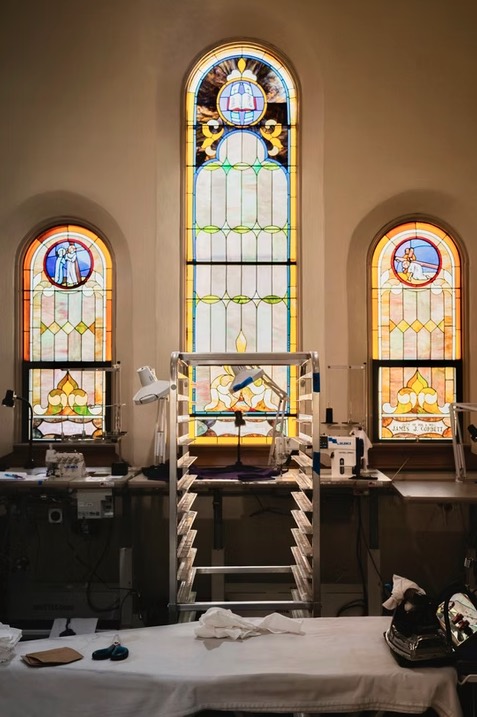
From a 150-year-old church to a working factory
Betsy Franjola grew up in Athens, Ohio. She left for a 20-year corporate fashion career, working in print and fabric development for The Limited, Abercrombie, Karl Lagerfeld, and Juicy Couture, and launching two companies of her own in Los Angeles.
She had seen exactly how global apparel manufacturing works. So when she came home to Athens County, she did something harder than importing: she bought a 150-year-old Catholic church in Buchtel and converted it into a garment manufacturing facility.
The building went up in the 1890s, when Buchtel was a coal town. When the Diocese of Steubenville decommissioned it, they wanted it to serve the community rather than become a hotel or a brewery. In 2024, industrial sewing machines replaced the pews. The stained glass stayed exactly where it was, and the arched doorway in our logo is the church's own.
The mission has been the same since the first machine was plugged in:
- Training makers. Teaching a skilled trade to people who want one.
- Creating jobs. Real wages in a region that has been told to expect fewer of them.
- Building something that lasts. A factory, a workforce, and garments that all outlive the season they were made in.
How we work
The factory runs one-piece-flow production. Each garment travels the line individually and is inspected at every operation. It is slower per piece than the bundle systems offshore factories use, and that is the entire point. Quality gets caught at the seam, stitch length is matched to the strength each garment needs, and nothing leaves the building that we would not put our name on.
Buchtel also happens to sit within a day's drive of most major U.S. markets, which makes shipping and logistics straightforward in a way that ocean freight never is.
The school
There was no waiting workforce of industrial sewists in Southeast Ohio, so we build our own. Our paid training program takes motivated local people from beginners to certified production sewists, and our apprenticeship partnership with Hocking College gives the trade a credentialed career path. With support from a JobsOhio Small Business Grant, our current expansion is creating 20 new jobs in Buchtel.
What we believe
- Garments should be made well. Durability is the first form of sustainability.
- Skilled work deserves real wages, and training should be paid rather than paywalled.
- Supply chains should be traceable. Our dirt-to-shirt program runs from Virginia cotton fields through Carolina mills to our Ohio floor.
- Appalachia can make things again, not as nostalgia but as a competitive advantage.
Imagine working with people you know by name
A place where every garment is made by individuals who are valued, respected, and take pride in their craft.
-

Betsy
Founder
-
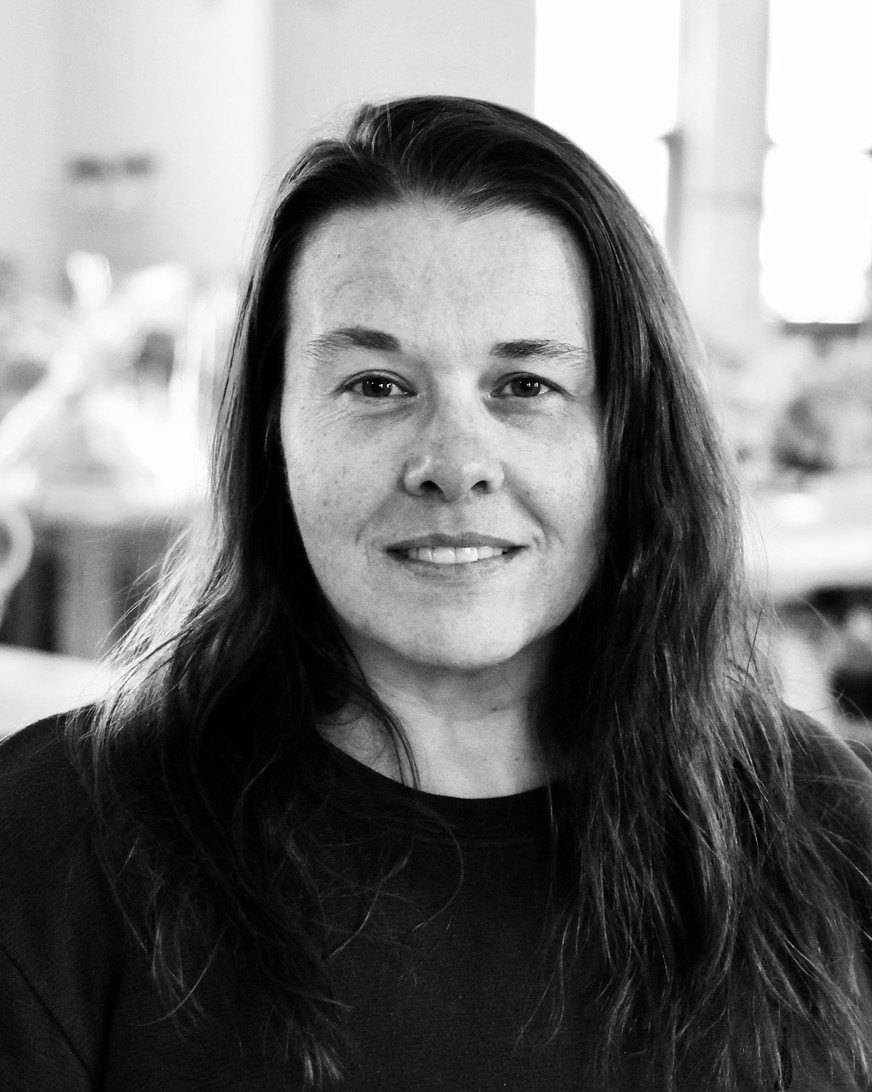
Stacy
-
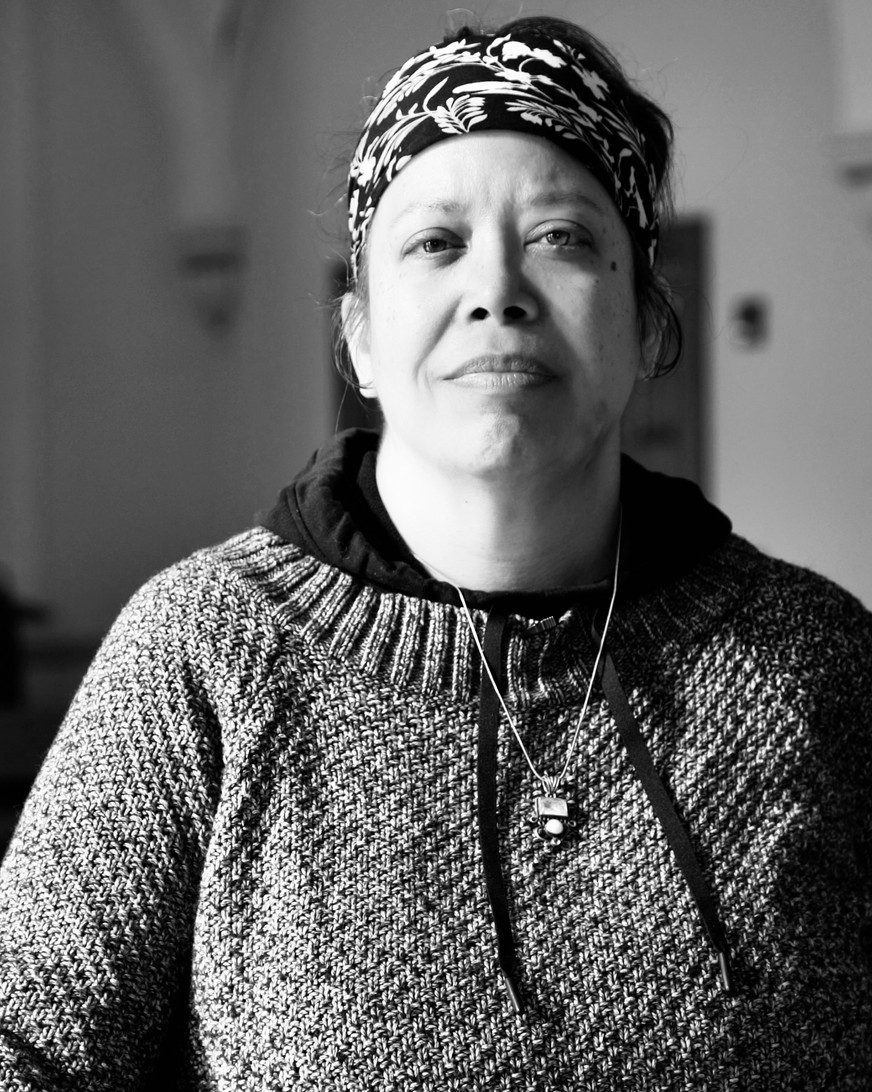
Stephanie
-
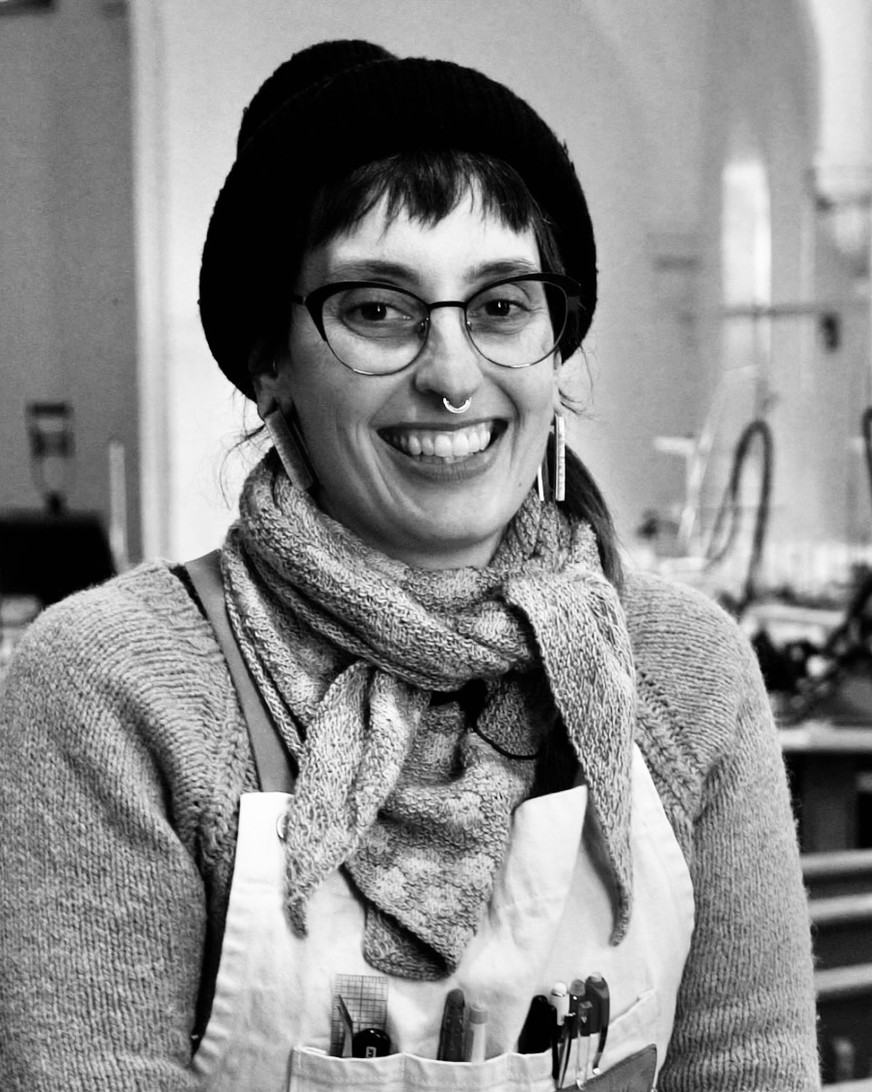
Jessie
-
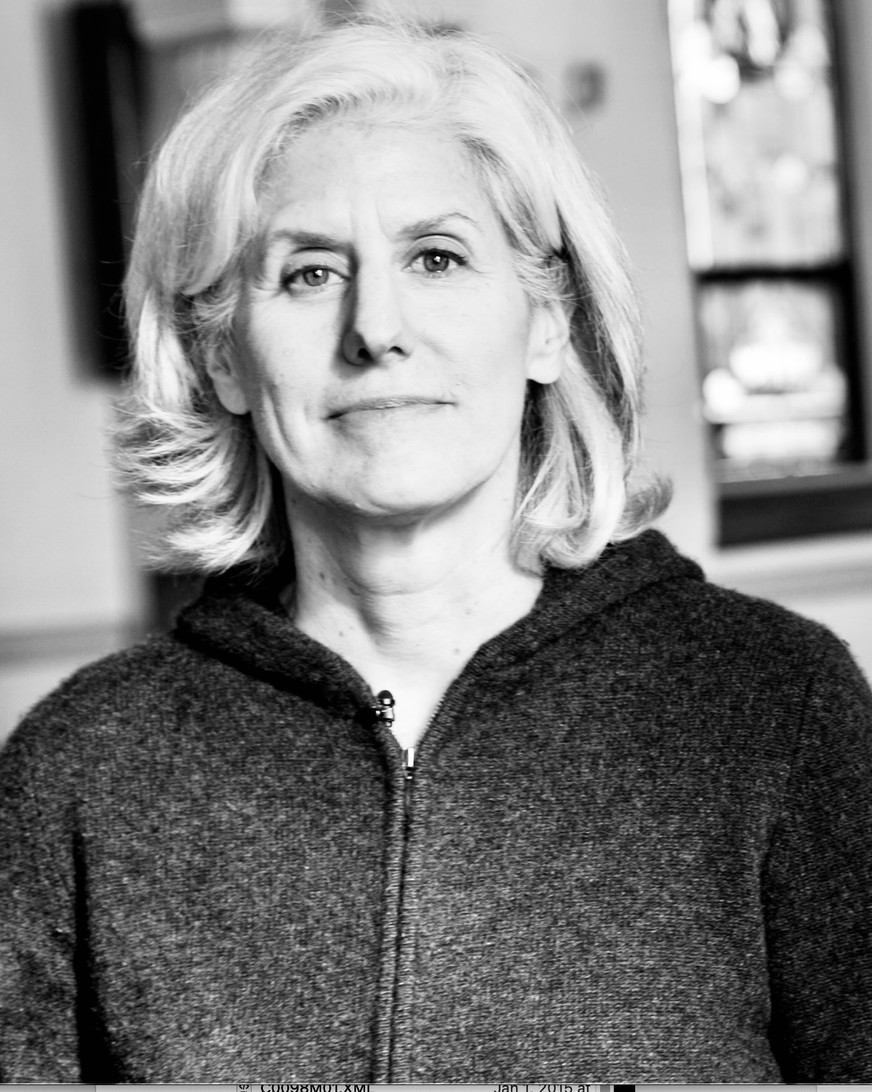
Kathy
-
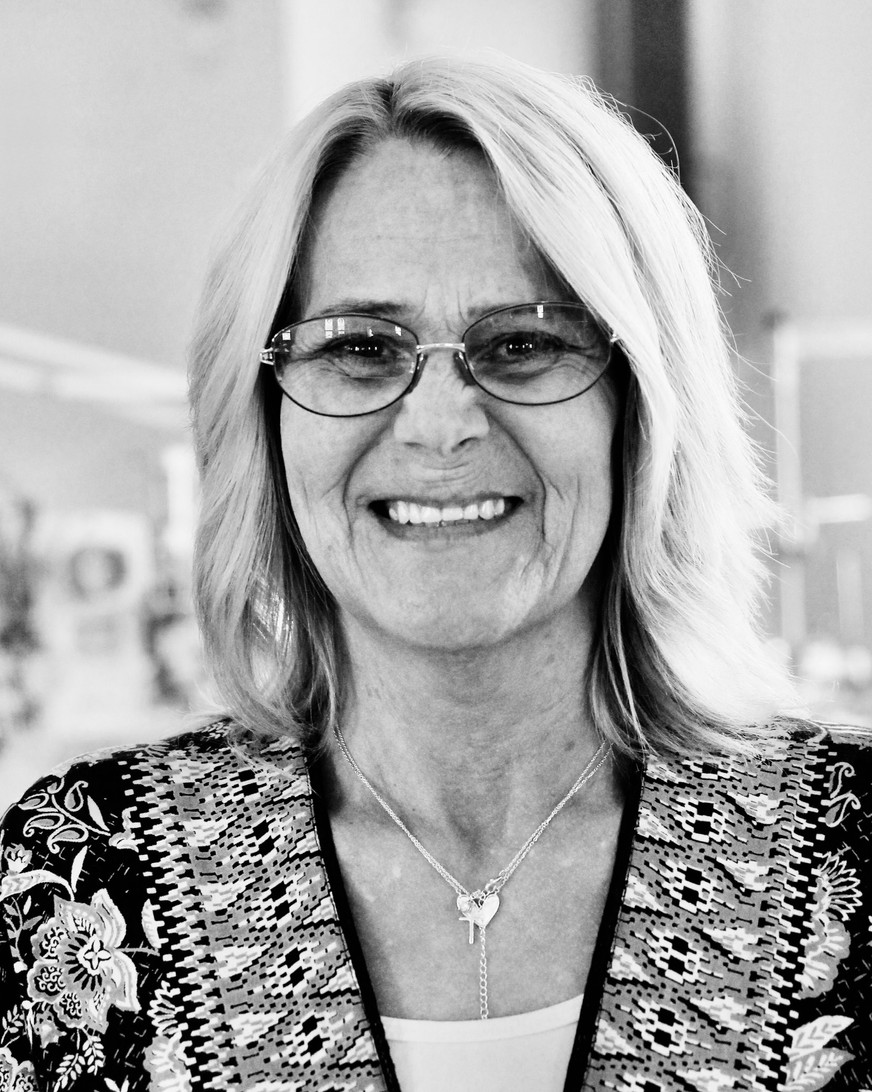
Teresa
-
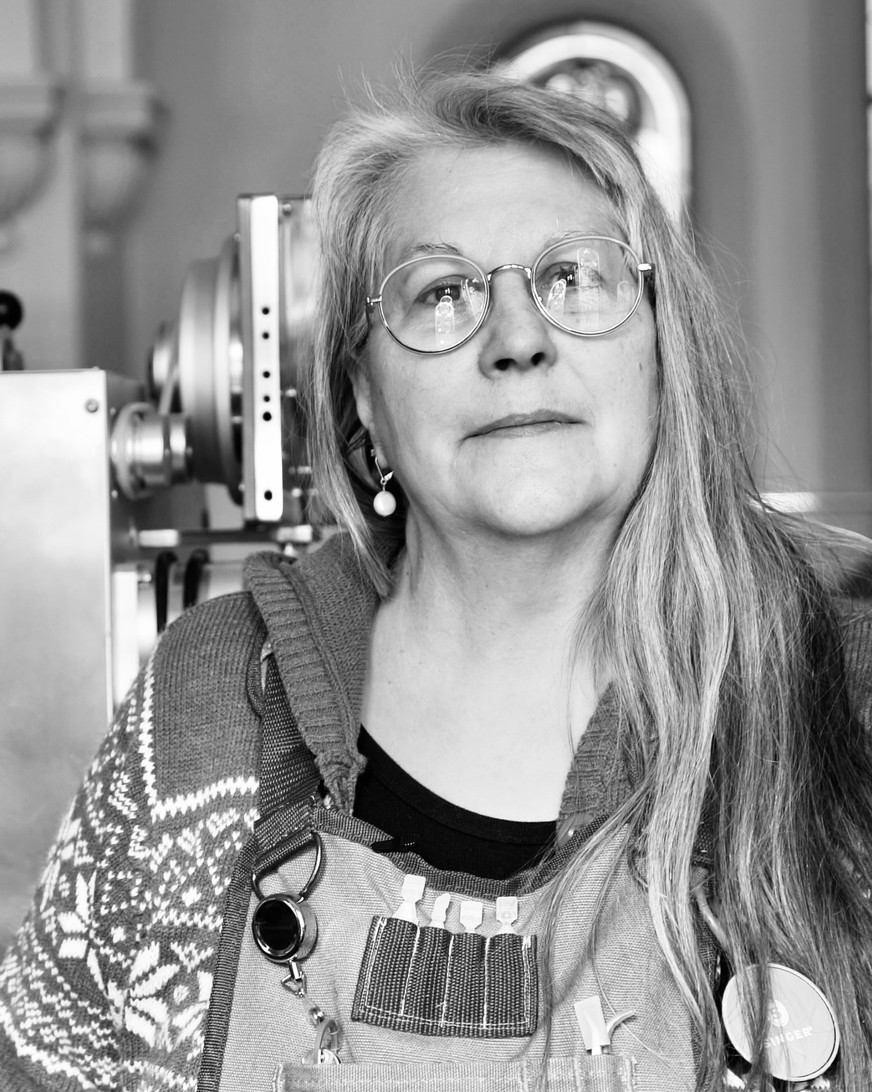
Mindy
-

Will
-
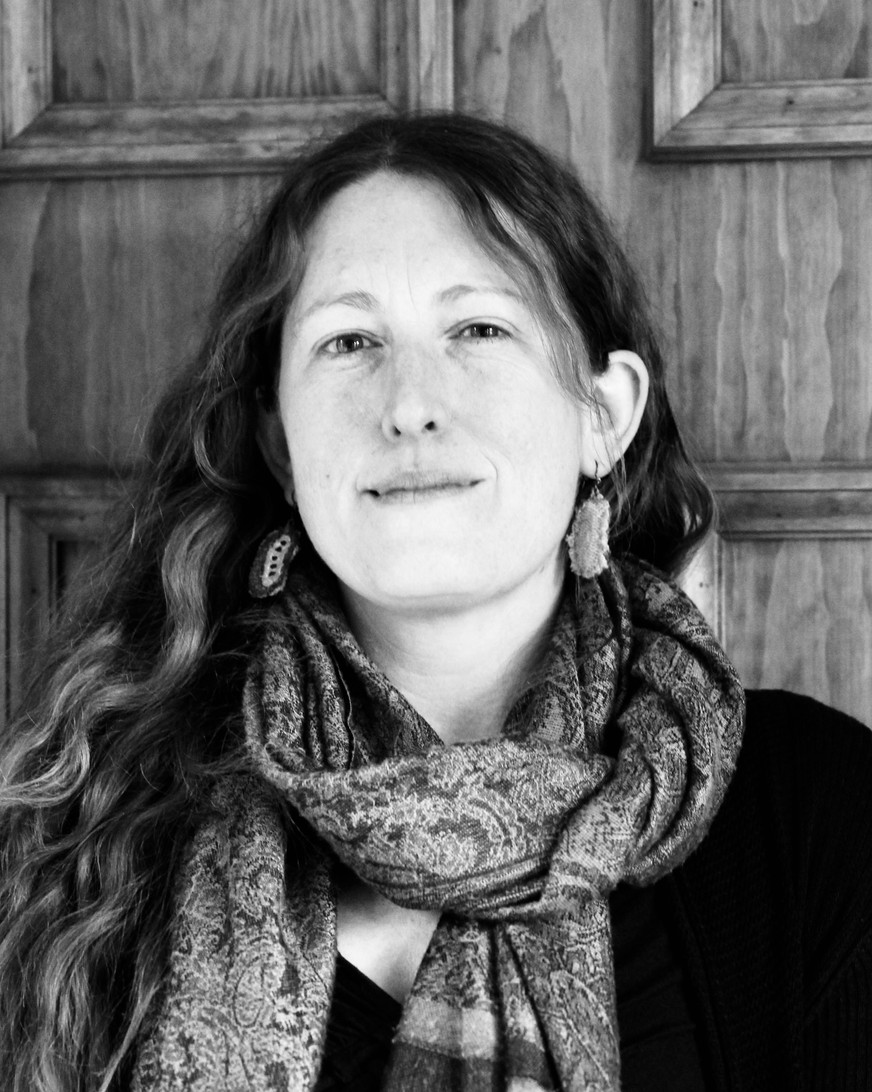
Erin
-

Olivia
-
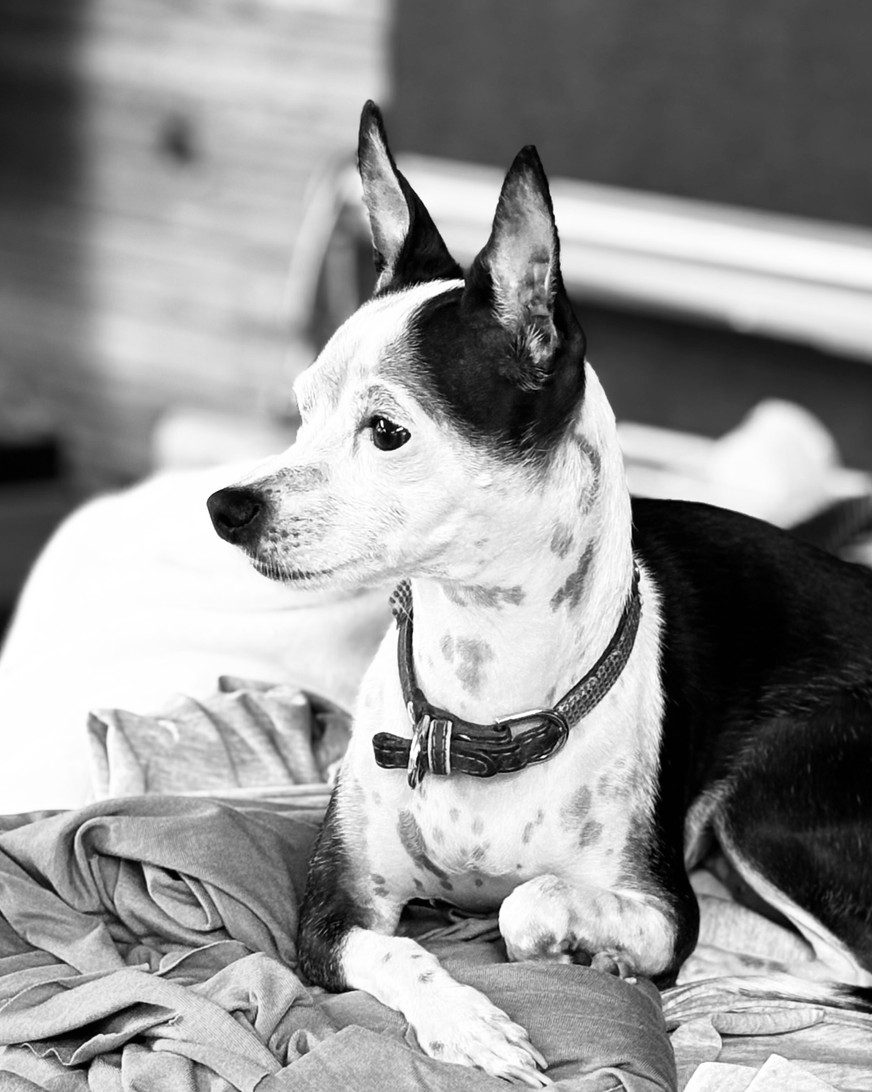
Miss Pickle
Supervisor
These are neighbors from Buchtel, Nelsonville, Athens, and the surrounding hills, building a trade and a paycheck at the same time. When you visit, and you are welcome to, these are the hands making your garments.
The story, told from the factory floor
Local and university press have followed HHGC from the first machine to the current expansion. Watch the coverage, then come visit. The machines will be running.
Photography
With thanks to Jansen Garside, Erin Harper Films, and Christa Krone for photographing this place and the people in it.
Be part of what we're building
Bring us a project, join the team, or come see the church where American manufacturing is getting a second life.